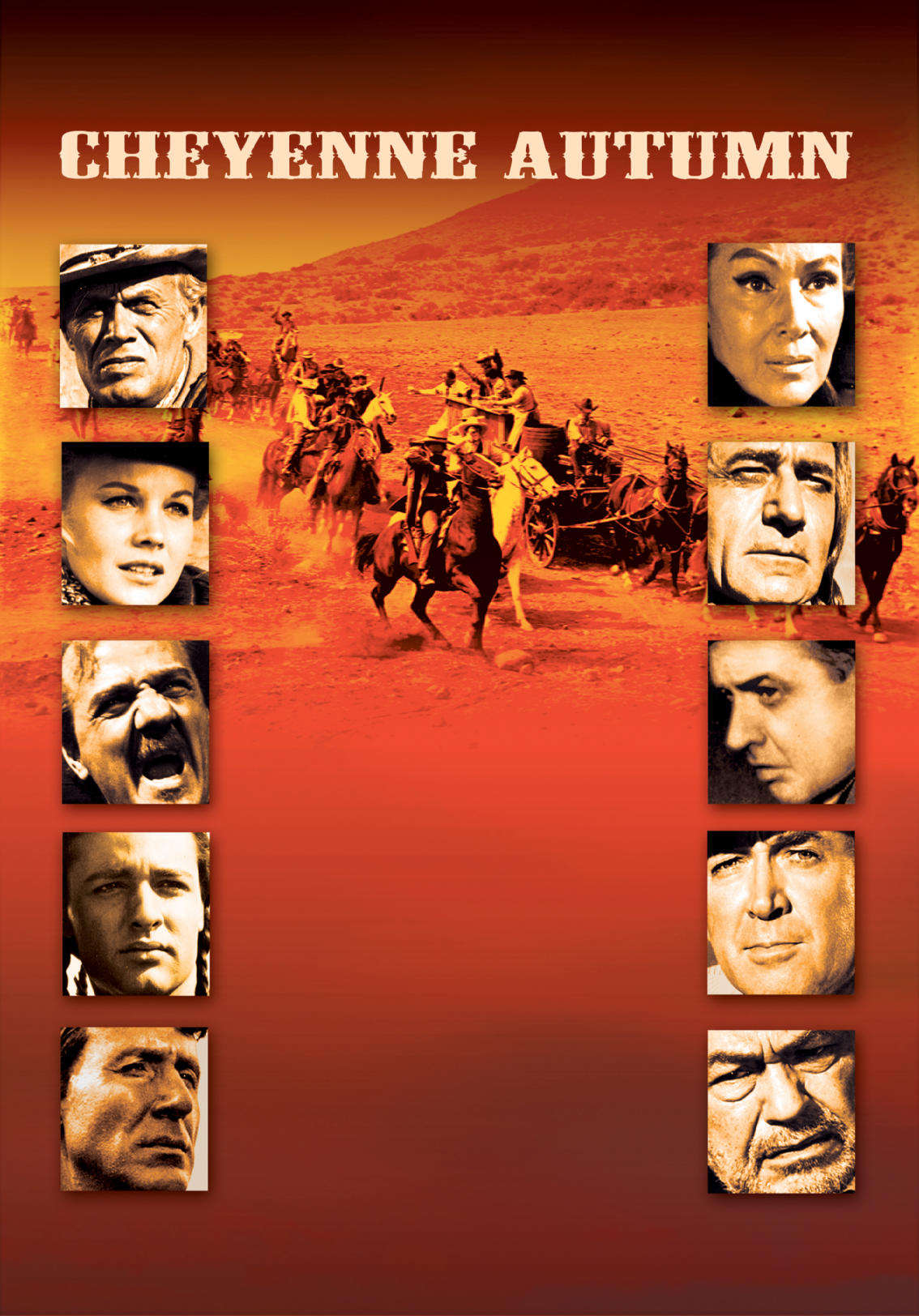

John Ford's *Cheyenne Autumn* is a cinematic masterpiece that stands out for its unique portrayal of Native American history and its exceptional cast. Released in 1964, the film is a poignant tale of the Cheyenne tribe's struggle for freedom and their journey back to their ancestral lands. The *cast of Cheyenne Autumn* includes some of the most renowned actors of the era, each bringing depth and authenticity to their roles. This blog post delves into the intricacies of the film, its historical context, and the impact of its stellar cast.
The Historical Context of Cheyenne Autumn
Cheyenne Autumn is set against the backdrop of the late 19th century, a period marked by the forced relocation of Native American tribes to reservations. The film is based on the true events of the Cheyenne tribe’s attempt to return to their ancestral lands in Wyoming from their reservation in Oklahoma. This journey, known as the Cheyenne Exodus, was fraught with danger and hardship, as the tribe faced opposition from the U.S. government and the military.
The film's historical accuracy is one of its standout features. Ford meticulously researched the events and consulted with Native American advisors to ensure authenticity. This attention to detail is evident in the film's portrayal of the Cheyenne tribe's culture, traditions, and the challenges they faced. The historical context of *Cheyenne Autumn* provides a rich backdrop for the film's narrative, making it a compelling watch for history enthusiasts and cinema lovers alike.
The Cast of Cheyenne Autumn
The cast of Cheyenne Autumn is a who’s who of Hollywood’s golden age, featuring some of the most talented actors of the time. The film’s ensemble cast brings a depth of emotion and authenticity to their roles, making the characters relatable and memorable.
Richard Widmark plays Captain Archer, a U.S. Army officer tasked with pursuing the Cheyenne tribe. Widmark's portrayal of Archer is nuanced, capturing the character's internal conflict between duty and empathy. His performance adds a layer of complexity to the film, making Archer a sympathetic figure despite his role as an antagonist.
Carolyn Jones portrays Mrs. Archer, the captain's wife. Jones brings a sense of warmth and compassion to her role, providing a counterpoint to her husband's stern demeanor. Her performance adds emotional depth to the film, highlighting the human cost of the conflict.
Edward G. Robinson plays Dull Knife, the leader of the Cheyenne tribe. Robinson's portrayal of Dull Knife is powerful and dignified, capturing the character's strength and resilience. His performance is a testament to his acting prowess, making Dull Knife a memorable and inspiring figure.
James Stewart plays Wyatt Earp, a former lawman who aids the Cheyenne tribe in their journey. Stewart's portrayal of Earp is charismatic and heroic, making him a fan favorite. His performance adds a sense of adventure and excitement to the film, making it a thrilling watch.
The supporting cast of *Cheyenne Autumn* is equally impressive, featuring actors such as Karl Malden, Sal Mineo, and Ricardo Montalban. Each actor brings their unique talent to the film, contributing to its overall success.
The Impact of the Cast of Cheyenne Autumn
The cast of Cheyenne Autumn has left a lasting impact on cinema and Native American representation. The film’s portrayal of the Cheyenne tribe is one of the most authentic and respectful depictions of Native Americans in cinema history. The cast’s performances brought depth and humanity to their characters, challenging the stereotypical portrayals of Native Americans that were prevalent at the time.
The film's impact extends beyond its historical context and cast. *Cheyenne Autumn* is a testament to John Ford's cinematic genius, showcasing his ability to blend historical accuracy with compelling storytelling. The film's themes of freedom, resilience, and the human cost of conflict resonate with audiences to this day, making it a timeless classic.
The *cast of Cheyenne Autumn* has also inspired future generations of actors and filmmakers. The film's portrayal of Native Americans has paved the way for more authentic and respectful representations in cinema. The cast's performances serve as a benchmark for actors, showcasing the power of authentic storytelling and character development.
The Legacy of Cheyenne Autumn
The legacy of Cheyenne Autumn is multifaceted, encompassing its historical significance, cinematic excellence, and cultural impact. The film’s portrayal of the Cheyenne tribe’s struggle for freedom has made it a symbol of Native American resilience and resistance. It has also inspired numerous films and television shows that explore Native American history and culture.
The film's legacy is also evident in its influence on cinema. *Cheyenne Autumn* is often cited as one of John Ford's finest works, showcasing his mastery of the Western genre. The film's themes of freedom, resilience, and the human cost of conflict continue to resonate with audiences, making it a timeless classic.
The *cast of Cheyenne Autumn* has also left a lasting legacy. The film's portrayal of Native Americans has paved the way for more authentic and respectful representations in cinema. The cast's performances serve as a benchmark for actors, showcasing the power of authentic storytelling and character development.
The legacy of *Cheyenne Autumn* is a testament to the power of cinema to tell stories that matter. The film's portrayal of the Cheyenne tribe's struggle for freedom has made it a symbol of Native American resilience and resistance. It has also inspired numerous films and television shows that explore Native American history and culture. The film's legacy is a reminder of the importance of authentic storytelling and the power of cinema to challenge stereotypes and promote understanding.
The *cast of Cheyenne Autumn* has left a lasting impact on cinema and Native American representation. The film's portrayal of the Cheyenne tribe is one of the most authentic and respectful depictions of Native Americans in cinema history. The cast's performances brought depth and humanity to their characters, challenging the stereotypical portrayals of Native Americans that were prevalent at the time.
The film's impact extends beyond its historical context and cast. *Cheyenne Autumn* is a testament to John Ford's cinematic genius, showcasing his ability to blend historical accuracy with compelling storytelling. The film's themes of freedom, resilience, and the human cost of conflict resonate with audiences to this day, making it a timeless classic.
The *cast of Cheyenne Autumn* has also inspired future generations of actors and filmmakers. The film's portrayal of Native Americans has paved the way for more authentic and respectful representations in cinema. The cast's performances serve as a benchmark for actors, showcasing the power of authentic storytelling and character development.
The legacy of *Cheyenne Autumn* is multifaceted, encompassing its historical significance, cinematic excellence, and cultural impact. The film's portrayal of the Cheyenne tribe's struggle for freedom has made it a symbol of Native American resilience and resistance. It has also inspired numerous films and television shows that explore Native American history and culture.
The film's legacy is also evident in its influence on cinema. *Cheyenne Autumn* is often cited as one of John Ford's finest works, showcasing his mastery of the Western genre. The film's themes of freedom, resilience, and the human cost of conflict continue to resonate with audiences, making it a timeless classic.
The *cast of Cheyenne Autumn* has also left a lasting legacy. The film's portrayal of Native Americans has paved the way for more authentic and respectful representations in cinema. The cast's performances serve as a benchmark for actors, showcasing the power of authentic storytelling and character development.
The legacy of *Cheyenne Autumn* is a testament to the power of cinema to tell stories that matter. The film's portrayal of the Cheyenne tribe's struggle for freedom has made it a symbol of Native American resilience and resistance. It has also inspired numerous films and television shows that explore Native American history and culture. The film's legacy is a reminder of the importance of authentic storytelling and the power of cinema to challenge stereotypes and promote understanding.
In conclusion, Cheyenne Autumn is a cinematic masterpiece that stands out for its unique portrayal of Native American history and its exceptional cast. The film’s historical context, stellar cast, and lasting impact make it a timeless classic. The cast of Cheyenne Autumn has left a lasting legacy, inspiring future generations of actors and filmmakers and paving the way for more authentic and respectful representations of Native Americans in cinema. The film’s themes of freedom, resilience, and the human cost of conflict continue to resonate with audiences, making it a must-watch for cinema lovers and history enthusiasts alike.
Related Terms:
- cheyenne autumn true story
- cheyenne autumn 1964
- cheyenne autumn 1964 full movie
- where was cheyenne autumn filmed
- cheyenne autumn movie 1964
- cheyenne autumn cast and crew